
How to Prepare Your Vehicle for a Smooth Auto Engine Replacement
Replacing a vehicle's engine is a major project that requires careful planning, accurate diagnosis, and professional attention. When an engine experiences severe internal damage or reaches the end of its useful life, replacement may provide a practical alternative to purchasing another vehicle. Preparing properly for an auto engine replacement can reduce delays, prevent compatibility problems, and help ensure dependable performance after installation. Vehicle owners should consider the condition of the car, available engine options, project costs, and the qualifications of the technician performing the work. Understanding what happens before, during, and after installation makes the entire process easier to manage and provides greater confidence in the finished vehicle.
1. Assess the Condition of the Existing Engine
The first step is determining whether the existing engine truly needs to be replaced. Warning signs such as persistent knocking, excessive exhaust smoke, recurring overheating, metal particles in the oil, significant oil consumption, or severe power loss can indicate substantial internal damage. However, some symptoms that appear serious may actually result from problems with supporting components. A professional diagnostic inspection can identify the source of the problem before a major decision is made.
Owners should compare the estimated cost of repairs with the expense and potential benefits of auto engine replacement. Consider the vehicle's age, mileage, body condition, transmission health, maintenance history, and overall value. According to Endurance Warranty, BMW and Chevrolet are among the manufacturers associated with some of the most expensive engine repairs. Repair expenses can vary considerably by vehicle, making a detailed professional estimate especially valuable. If the rest of the vehicle remains dependable, replacing a severely damaged engine may provide additional years of useful service.
2. Research the Correct Replacement Engine
Not every engine will work properly in every vehicle, even when two engines appear similar. The vehicle's year, make, model, engine code, transmission, emissions equipment, electronics, and other specifications should be reviewed before purchasing a replacement. Using the vehicle identification number can help technicians and suppliers verify the appropriate configuration. Careful research at this stage reduces the possibility of ordering an incompatible unit or discovering that expensive modifications are required after work begins.
Owners may have several options when planning an auto engine replacement, including new, remanufactured, rebuilt, and used engines. A new engine can provide excellent reliability but generally carries the highest upfront cost. Remanufactured and rebuilt engines may offer a balance between price and dependability when produced according to appropriate standards. Used engines can be economical, although their mileage, maintenance history, and previous operating conditions should be investigated whenever possible. The best option depends on the vehicle and the owner's long-term plans.
3. Compare Warranties and Supplier Quality
Price should not be the only consideration when selecting an engine supplier. Research the company's reputation, experience, warranty policies, and procedures for addressing defective components. Ask whether the engine has been inspected or tested and what documentation accompanies it. For rebuilt or remanufactured engines, understanding which internal components were replaced can provide additional insight into overall quality.
Warranty terms should also be reviewed carefully before committing to auto engine replacement. Determine the duration of coverage, mileage limitations, covered components, labor provisions, maintenance requirements, and exclusions. Some warranties may cover the replacement engine itself without paying the labor required to remove and reinstall a defective unit. Knowing these details beforehand prevents misunderstandings and allows owners to compare options based on total protection rather than purchase price alone.
4. Prepare the Vehicle Before Work Begins
A professional shop typically handles the physical preparation required for removal, but vehicle owners can still make the process easier. Remove personal belongings and valuables from the vehicle, particularly anything stored near areas technicians may need to access. Provide the mechanic with maintenance records and information about previous repairs, modifications, warning lights, leaks, or unusual operating behavior. These details may reveal related issues that should be addressed while the engine compartment is accessible.
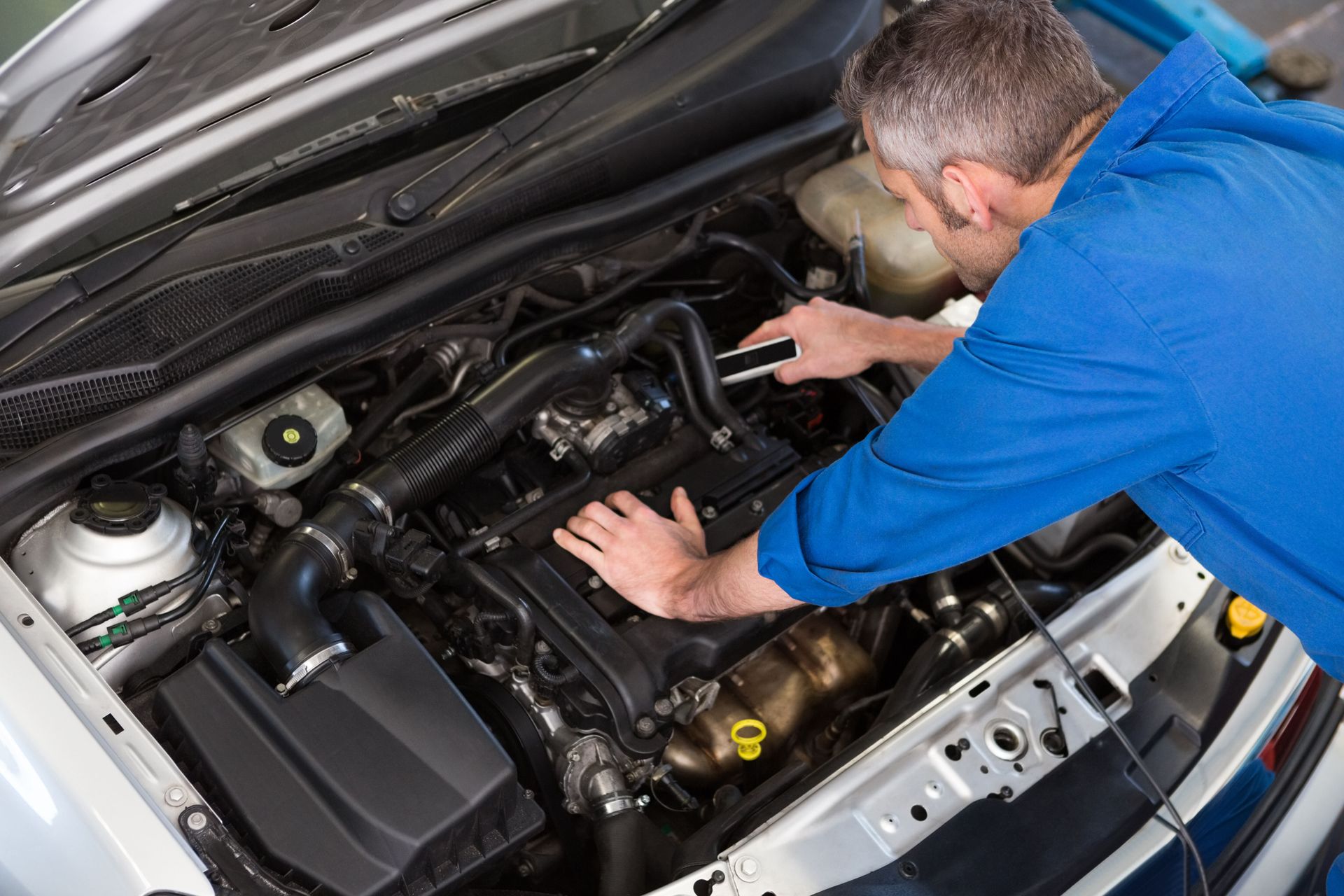
Technicians preparing for auto engine replacement will generally disconnect the battery and safely manage engine oil, coolant, and other fluids as required. Connections, hoses, wiring, brackets, and other components must be removed systematically. Proper organization is particularly important because many parts will need to be transferred or reconnected during installation. Professional facilities also have appropriate lifting equipment and workspace for safely handling an engine, which can weigh several hundred pounds.
5. Inspect Supporting Components
Removing the existing engine creates convenient access to components that may otherwise be difficult or labor-intensive to service. Engine mounts, belts, hoses, seals, cooling components, and accessible transmission-related parts should be examined for deterioration. Installing a replacement engine alongside severely worn supporting components could contribute to leaks, vibration, overheating, or premature problems. Replacing appropriate wear items while access is available may also reduce future labor costs.
The cooling system deserves particular attention because overheating is a common contributor to engine damage. Technicians may inspect the radiator, water pump, thermostat, hoses, cooling fans, and related components. If contamination from the failed engine entered other systems, additional cleaning or replacement may be necessary. Addressing the original cause of failure is essential; otherwise, the condition that damaged the previous engine could eventually affect the replacement as well.
6. Choose a Qualified Automotive Technician
Engine installation involves considerably more than removing one assembly and installing another. Modern vehicles integrate engines with electronic control modules, sensors, fuel systems, emissions equipment, cooling systems, and transmissions. A technician should understand the particular vehicle and have appropriate diagnostic equipment, lifting tools, and technical information. Ask prospective repair facilities about their experience with similar vehicles and engine installations.
Before authorizing auto engine replacement, request a written estimate outlining expected parts and labor charges. Ask whether fluids, replacement gaskets, mounts, programming, diagnostic testing, shop supplies, and other related expenses are included. The expected completion timeline should also be discussed, although unforeseen issues can occasionally extend the project. Clear communication helps owners understand what they are paying for and provides an opportunity to approve additional repairs if technicians discover other concerns.
7. Review Legal and Emissions Requirements
Replacement engines should comply with applicable emissions and vehicle regulations. Requirements can vary by jurisdiction, vehicle age, and engine configuration. Installing an incompatible engine or altering required emissions equipment could create inspection, registration, or compliance problems. A knowledgeable repair facility can help identify relevant requirements before installation begins.
Vehicle owners should also review existing warranty and insurance documents when applicable. Certain mechanical failures may be covered by an extended warranty or service contract, while insurance coverage generally depends on the cause of the damage and terms of the policy. Keep invoices, engine identification information, warranty documents, and maintenance records after the work is completed. Detailed records can be useful for future service, warranty claims, and potential resale.
Continue watching for leaks, changes in fuel economy, unusual exhaust, overheating, rough operation, or warning lights. Promptly addressing minor concerns helps prevent them from developing into expensive mechanical problems. A successful engine replacement is not simply about installation; it depends on selecting compatible components, correcting the cause of the original failure, completing careful testing, and maintaining the vehicle afterward. With organized preparation and qualified professional support, owners can restore reliable performance and potentially extend the useful life of a vehicle for years. Contact our team at D & S Engine Specialists today and learn more about our engine replacements.
Share On: